


Federal Reserve System (FED)
The central bank of the United States is the FED. FED stands for Federal Reserve System but this is also referred to as the Federal Reserve for short. Although the FED is an independent government institution, the American central bank is owned by a number of large banks and therefore not by the state. The main governing body of the FED is the Board of Governors which consists of 7 members who are appointed by the President of the United States. In addition to the national FED there are 12 regional Reserve Banks. 5 representatives of these regional reserve banks together with the 7 members of the board of governors make up the FOMC (Federal Open Market Committee). The primary responsibility of the FOMC is to supervise open market operations through monetary policy. One important responsibility of the Federal Reserve is to safeguard the stability of the United States’ financial system. The FED also has various other functions, including:
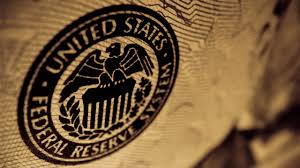
The central bank of the United States is the FED. FED stands for Federal Reserve System but this is also referred to as the Federal Reserve for short. Although the FED is an independent government institution, the American central bank is owned by a number of large banks and therefore not by the state. The main governing body of the FED is the Board of Governors which consists of 7 members who are appointed by the President of the United States. In addition to the national FED there are 12 regional Reserve Banks. 5 representatives of these regional reserve banks together with the 7 members of the board of governors make up the FOMC (Federal Open Market Committee). The primary responsibility of the FOMC is to supervise open market operations through monetary policy. One important responsibility of the Federal Reserve is to safeguard the stability of the United States’ financial system. The FED also has various other functions, including:
1. ‘managing’ the national money supply by means of monetary policy with the aim of:
preventing or limiting inflation and deflation (price stability).
maximising employment;
stable long-term interest rates.
2. supervision and regulation of the private banks;
3. strengthening the United States’ position in the global economy;
4. preventing or resolving banking panics.
Federal funds rate
When reference is made to the US interest rate this often refers to the Federal Funds Rate. The Federal Funds Rate is the interest rate which banks charge one another for 1 day (overnight) lending. This American base rate is set by the market and is not explicitly laid down by the FED. By withdrawing or adding funds to the money supply the FED tries to bring the effective federal funds rate into line with the interest rate that it is striving for. If the FED’s monetary policy alters the base rate, that usually affects the interest rate on various products such as mortgages, loans and savings.
Source:Hazoor
preventing or limiting inflation and deflation (price stability).
maximising employment;
stable long-term interest rates.
2. supervision and regulation of the private banks;
3. strengthening the United States’ position in the global economy;
4. preventing or resolving banking panics.
Federal funds rate
When reference is made to the US interest rate this often refers to the Federal Funds Rate. The Federal Funds Rate is the interest rate which banks charge one another for 1 day (overnight) lending. This American base rate is set by the market and is not explicitly laid down by the FED. By withdrawing or adding funds to the money supply the FED tries to bring the effective federal funds rate into line with the interest rate that it is striving for. If the FED’s monetary policy alters the base rate, that usually affects the interest rate on various products such as mortgages, loans and savings.
Source:Hazoor


 Posts
Posts


 I’m really happy that you are on this page.I am Suma Vedas CEO & founder of this website.
No comments:
Post a Comment